




Impacts of Lameness – Part 1: Preventing Lame Cows
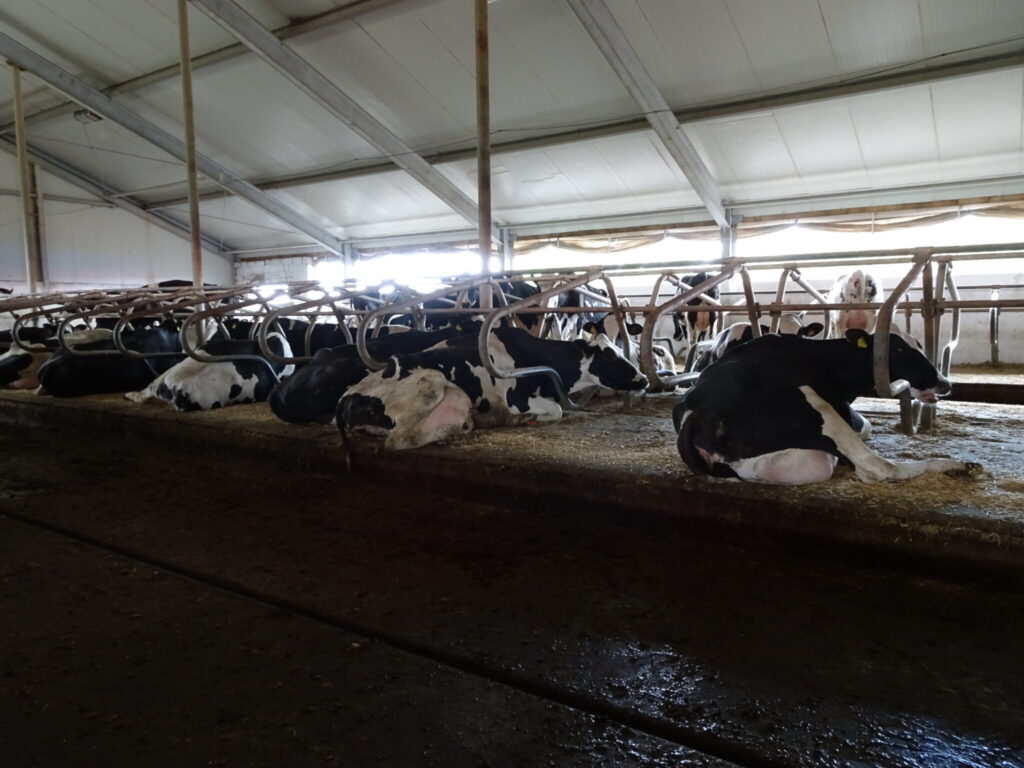
PennState Extension published an article stating that lame cows can be present in all types of dairy operations and can lead to a decrease in milk production, decreased reproductive performance, and an economic loss for the producer. By implementing lameness prevention strategies, the incidence and severity of lameness and the economic loss associated with lameness in dairy cattle can be reduced.
Effect of concrete slats versus rubber-covered slats on the performance, behaviour, hoof health, cleanliness of finishing beef steers and performance, cleanliness and hoof health of weanling cattle

ScienceDirect published a study with the objective to investigate the effect of concrete slats and rubber covered slats on animal performance, behaviour, hoof wear, dirt scores, hysiological response and carcass traits. It is evident that finishing steer growth performance and feed efficiency is significantly improved as a result of housing on rubber covered slats.
Designing Better Environments for Cows to Walk and Stand
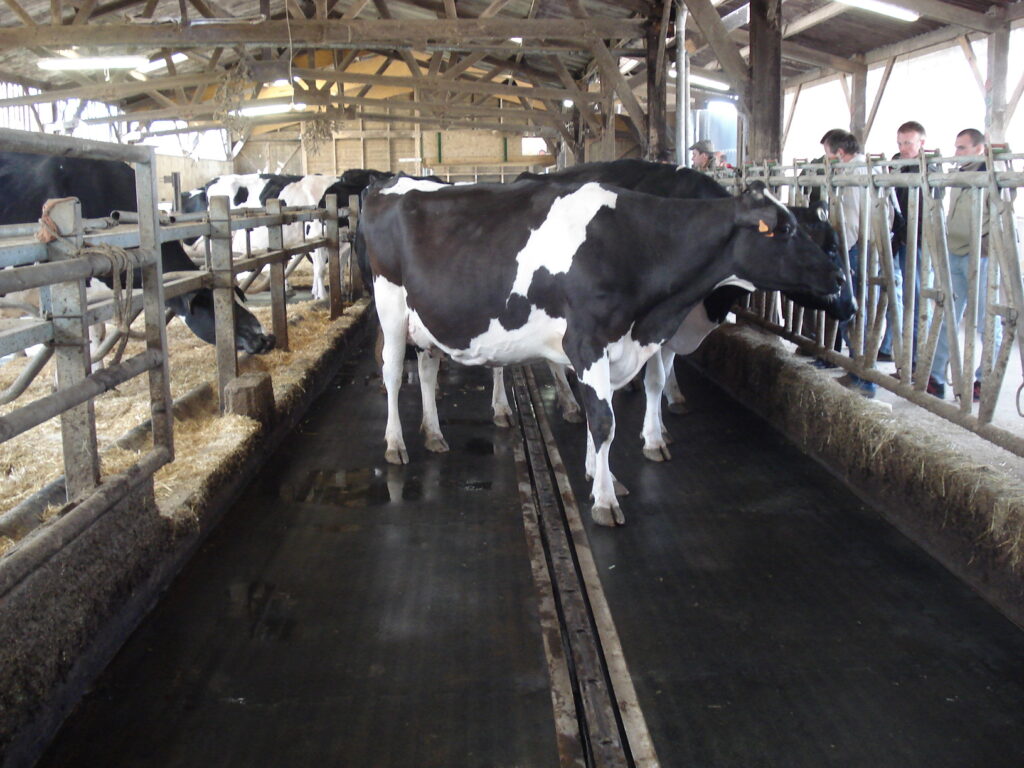
The University of Alberta Department of Agricultural Food and Nutritional Science published a study that showed lameness is one of the most serious ailments facing dairy cows, and inappropriate flooring has been implicated as a cause. Use of concrete flooring has been associated with increased hoof problems. Increasing both the softness and the degree of surface friction of the floor improves cow mobility and reduces the risk of injury from falls. Softer flooring in front of feed bunks can increase the time cattle spend close to the feeder and may increase feed intake. The study compared un-grooved concrete flooring with Animat’s softer rubber flooring options which has a rough surface providing good friction. When walking on Animat, the cows walked about 8% faster and slipped less: 70% of cows slipped at least once when walking on the concrete but only 20% slipped when walking on Animat. We compared dry cows that were kept in a pen where the floor in front of the feed bunk was either slatted concrete or slats covered with Animat. With Animat, they found that the cows spent longer standing at the feed bunk (an average of 5.5 hours per day) than when there were concrete floors in front of the feed bunk (4.8 hours per day). Lame cows have a reduced feed intake: other studies reported that each instance of lameness was associated with a reduction of 28 kg in dry matter intake. The study recommends that dairy farmers place softer flooring (with
an appropriate degree of friction) in front of feed bunks, to improve comfort in this area and to reduce time spent standing in stalls.
Economic Benefits of Improved Cow Comfort
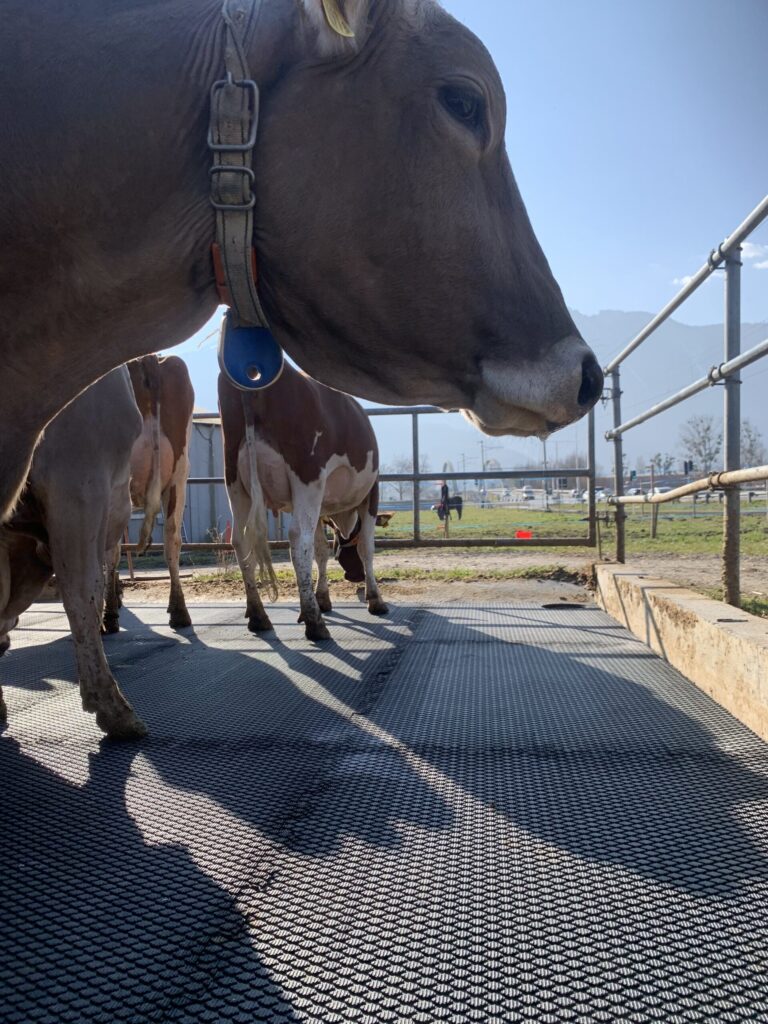
The Agriculture Research Institute published a review addressing the economic benefits of improved cow comfort. They noted that the dairy cow appears to have a strong behavioral need for adequate rest. Dairy cattle are highly motivated to lie down for approximately 12 hours per day. Cows with restricted lying time have greater serum cortisol and lower growth hormone concentrations, impaired hoof health and locomotion and sometimes lower milk yield. For every additional hour of resting time a cow achieves, there is a milk response of approximately 3.7 pounds.
Cows will sacrifice feeding in an effort to recoup lost resting time. A clean, dry and comfortable resting place is associated with greater resting time, better health and improved productivity. Softer stalls were associated with higher milk production.
As expected, sand was most preferred but they noted how comparable a foam mattress was to sand. Cows prefer more compressible (i.e. softer) lying surfaces. Changes in stall design and management have been measured by researchers to increase or decrease lying time by as much as three to five hours per day. Bedding type, bedding moisture content, stall width and length, amount of bedding, neckrail placement, maintenance of bedding surface (avoiding “pot holes”), brisket locator use, and stocking density all will significantly influence lying time. Improving the comfort of a stall should improve milk yield, reduce culling rate, lower somatic cell count and improve lameness status of the herd. Lameness results in a loss of at least 5 percent and as much as 36 percent milk annually, greater culling rate and reduced fertility.
Dairy Cow Comfort: Cow Behaviour to Judge Free-Stall and Tie-Stall Barns
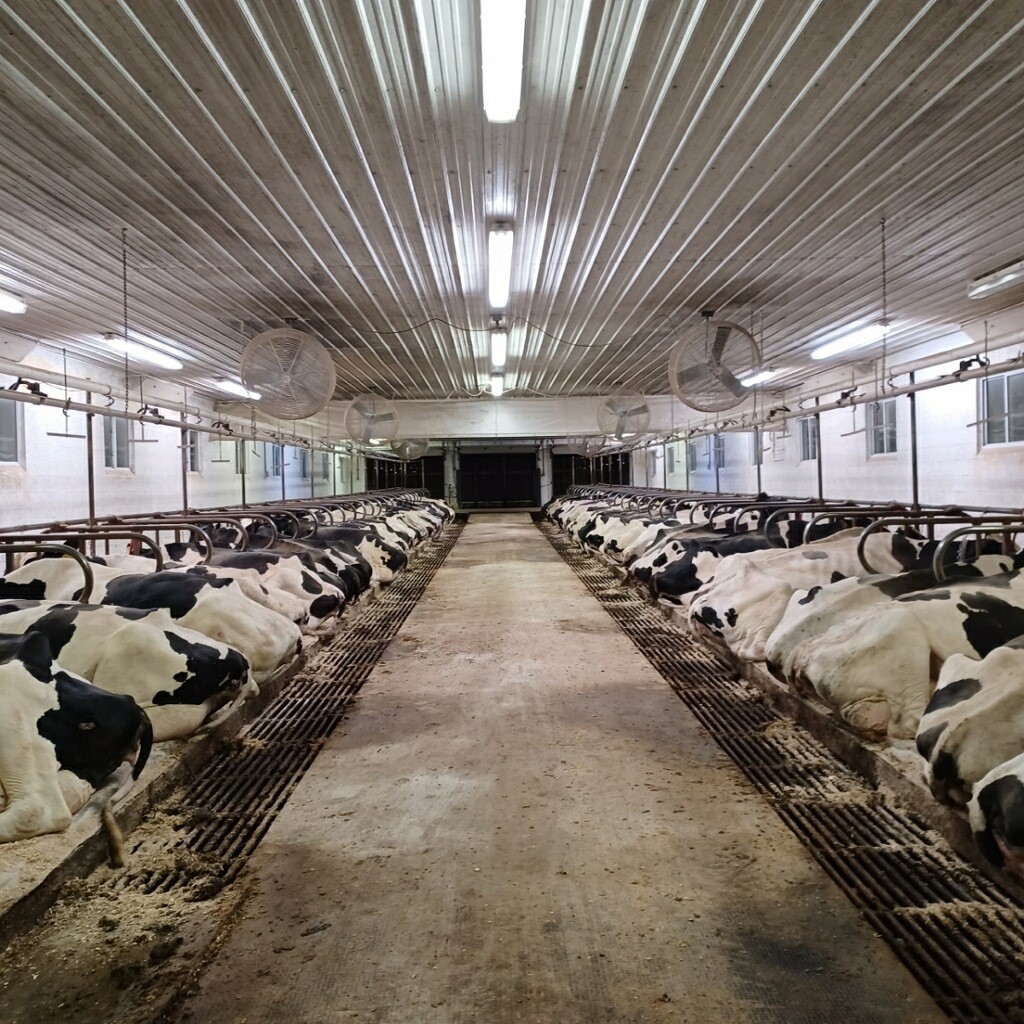
In comfortable stalls, cows lie for 60% of the day and seldom perch or stand idly. The ideal stall has open forward space for normal rising and lying motions. It has no hazards that cause injury, pain or frustration. In addition, it provides space for all normal resting positions and allows cows to stand and lie straight. Cow and stall cleanliness are common in comfortable stalls. Cows should adapt easily, have ready access to feed, water and shade, and avoid injury in well- designed dairy housing. This document describes cow behaviour to look for when judging cow comfort in free-stall and tie-stall barns. The behaviours provide practical tests (indicators) of a housing system.
Rubber Flooring For Cow Comfort and Productivity
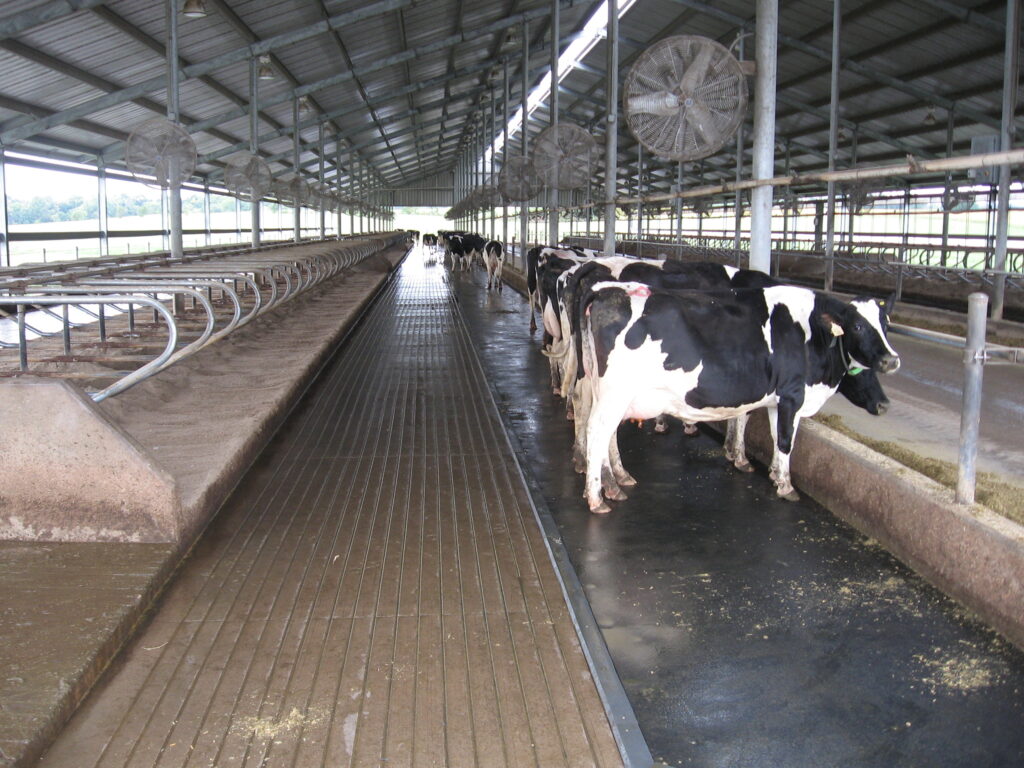
Researchers from Purdue University recently evaluated whether rubber flooring in the feed lanes of freestall barns could improve production, hoof health, and locomotion. Thirty Holstein heifers were selected for the study. After calving, heifers were assigned to either concrete or rubber flooring in the feed lane area for their entire lactation. Cows housed with rubber flooring on the feed lane produced more milk fat and milk protein, as well as had a higher milk protein percentage. 50% of the cows housed on concrete were diagnosed with some type
of hoof ailment (digital dermatitis, foot rot, abscess, sole ulcer, or sole separation), while only 22% of the cows housed with the rubber feed lane had an ailment. First lactation cows on concrete tended to have greater cortisol concentrations, an indicator of stress or pain. Additional milk fat and protein value could offset some of the costs of adding rubber matting to feed
lanes.
Flooring Matters
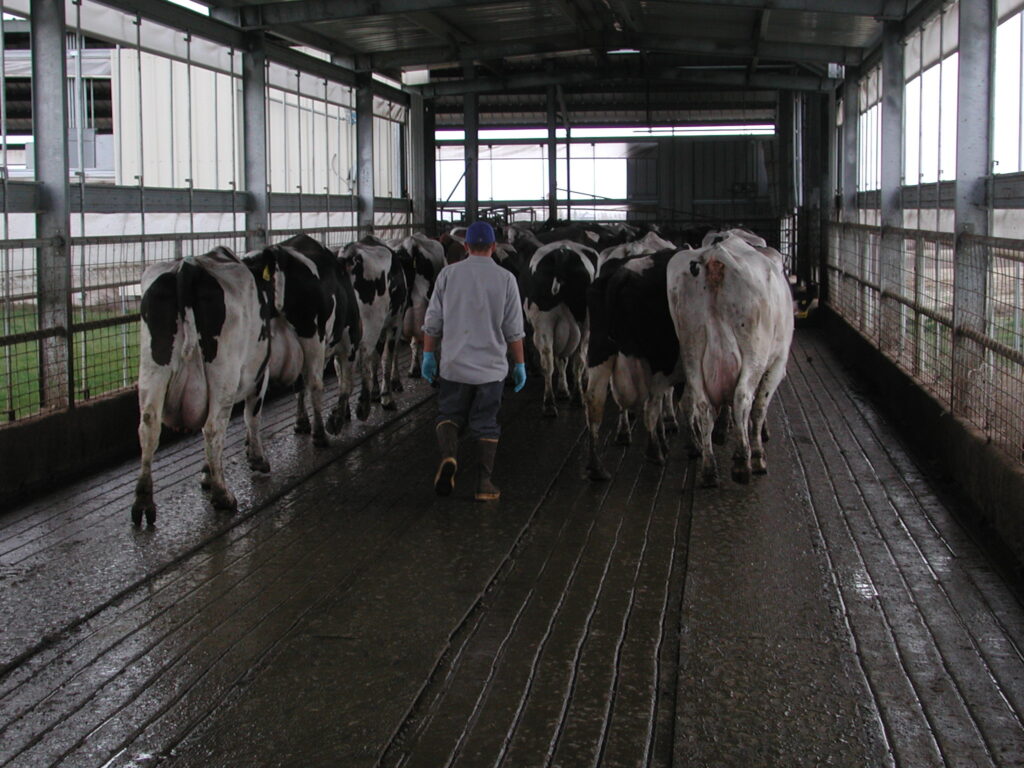
2013 – The researchers in the Florida and Indiana study discovered cows have more challenges walking on concrete than on rubber flooring. The study also showed cows are in chronic pain and have more inflammation when walking on hard surfaces. Rubber flooring can help keep cows healthy.
Association between Lameness and Indicators of Dairy Cow Welfare Based on Locomotion Scoring, Body and Hock Condition, Leg Hygiene and Lying Behavior
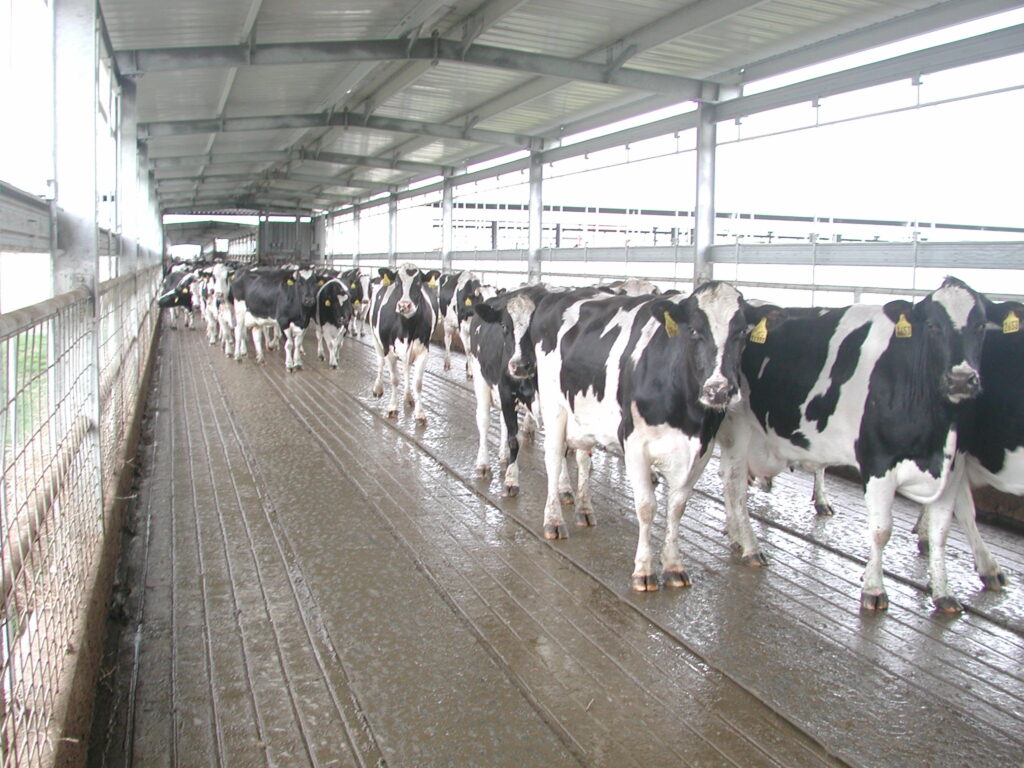
Housing design is vital for the maintenance of good welfare in dairy cows. Floor type and its influence on locomotion performance in dairy cattle were first suggested by Albright in 1997. Subsequently, floor features such as abrasiveness and hardness leading to insufficient friction and traction—as present in concrete floors (CF)—were suggested to negatively impact the claw health and locomotion of dairy cows. In this context, the use of cushioning floor surfaces, such as through the use of rubber flooring (RF), has been reported to improve gait properties. This includes reduced muscular activity in the hind limbs and similar stride length when compared to locomotion on pasture.
Effect of Flooring and/or Flooring Surfaces on Lameness Disorders in Dairy Cattle
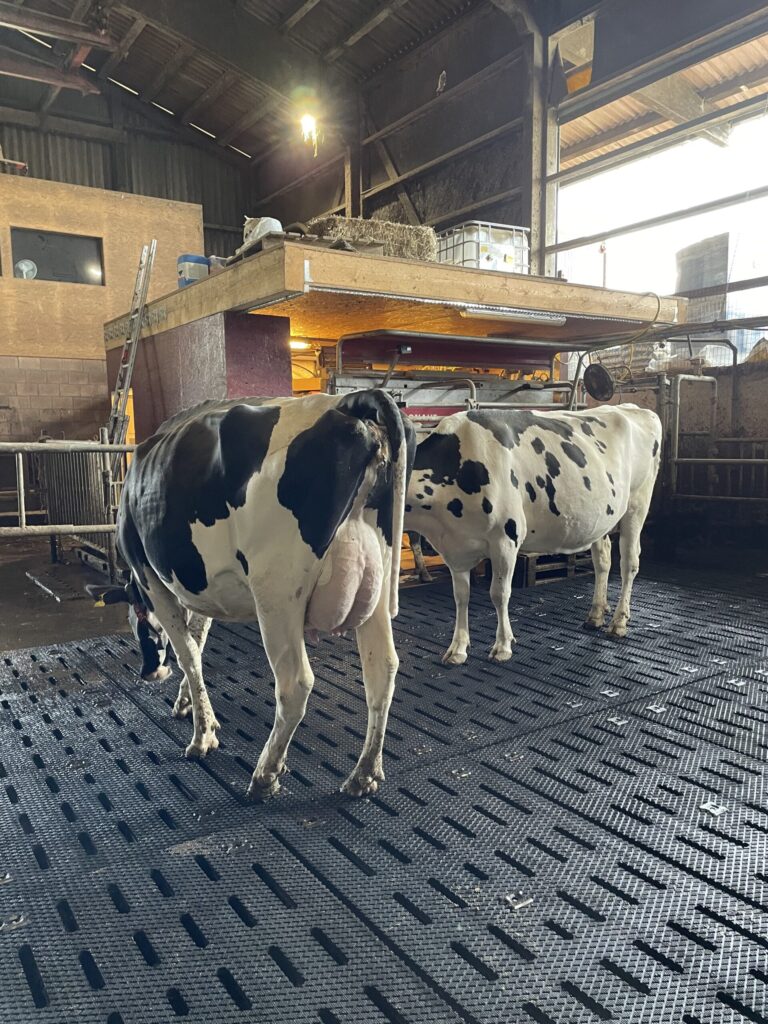
According to an article published by the Western Dairy Management Conference, Canadian researchers studied the effects of roughness and compressibility of flooring surfaces on cow locomotion. Researchers assessed the occurrence of claw lesions on rear feet and the occurrence of clinical lameness based upon locomotion score and rates of claw growth and wear.
Results from this study suggested that the Animat rubber flooring system used in this study was beneficial to hoof health.
The Value of Cow Comfort
Excerpt from the Dairy Global article by Matthew Wedzerai.
When cattle were domesticated approximately 10,000 years ago, they likely were hardy, resilient animals deprived of extensive comforts and living in challenging environments. Today’s dairy cows more closely resemble highly functioning athletes than the tough and rugged creatures tamed by our distant ancestors. While they perform at a much greater rate than their predecessors, they can be more sensitive to adverse management or environmental factors.