




Stall Wars: Cows VS. Comfort
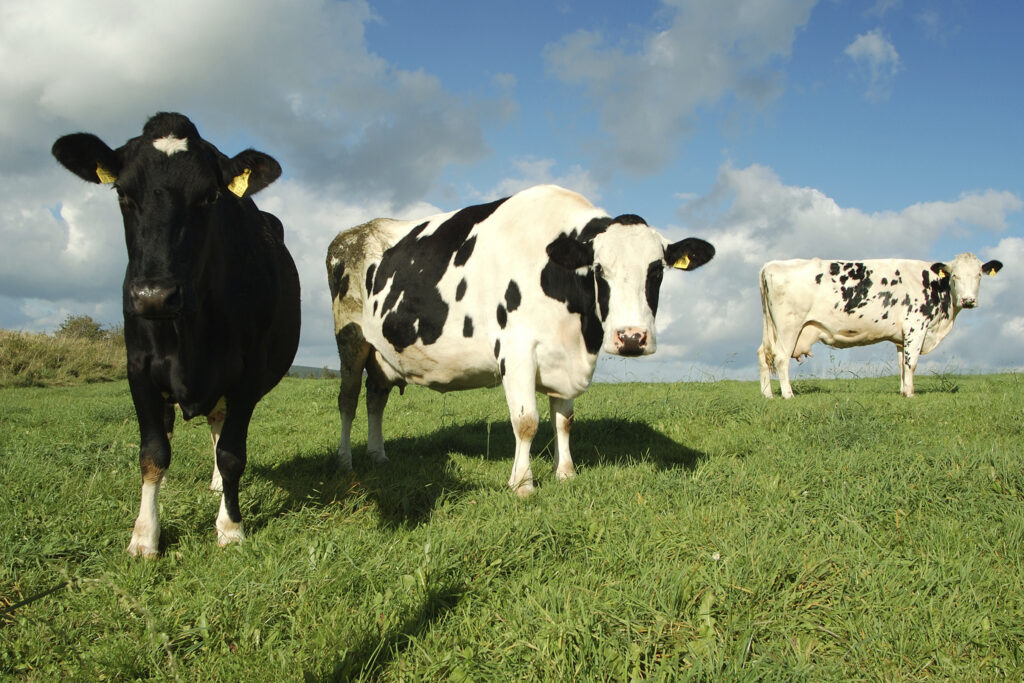
Comfortable dairy cows perform better, live longer and produce more lifetime calves when they are provided 24/7 access to clean, dry, well-ventilated housing which includes comfortable beds or stalls. Cow stalls that are improperly constructed, not maintained or incorrectly bedded create war with the cows. The “stall wars” ensue and the cows lose the battle with injury, lameness and loss of rest. When this happens, the dairy farm is at risk of losing the war and failure occurs.
What the Research Shows About the Use of Rubber Floors for Cows
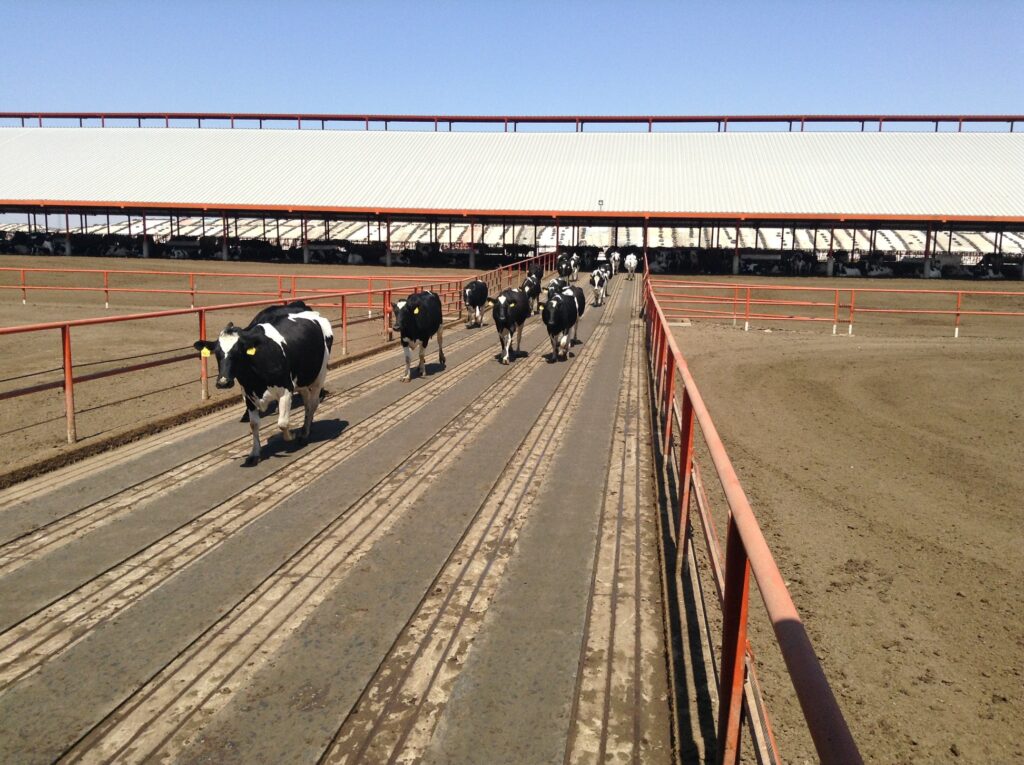
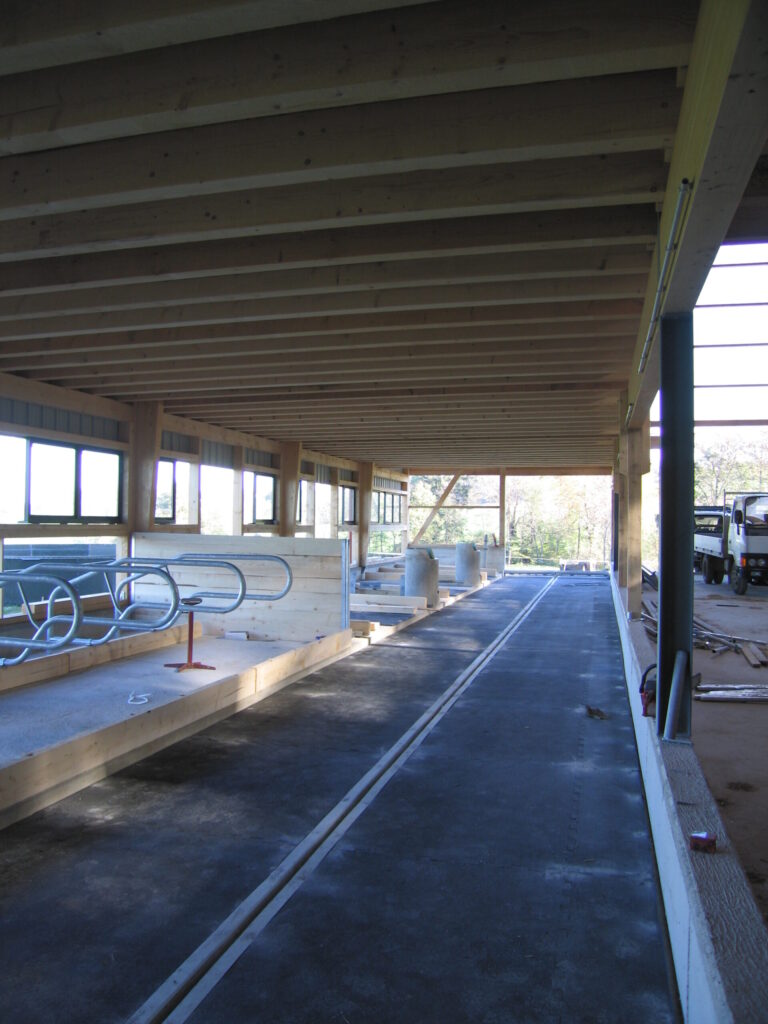
Cows walk in single file staying mostly on the rubber floor when rubber and concrete floors are side by side. This behavior may actually increase movement time to the holding area. Plan to have full alley width of rubber if transfer efficiency is desired.
Brian J. Holmes
Professor and Extension Specialist
University of Wisconsin-Madison
460 Henry Mall
Madison WI 53706
6082620096
bjholmes@wisc.edu
Prevention of White Line Lesions
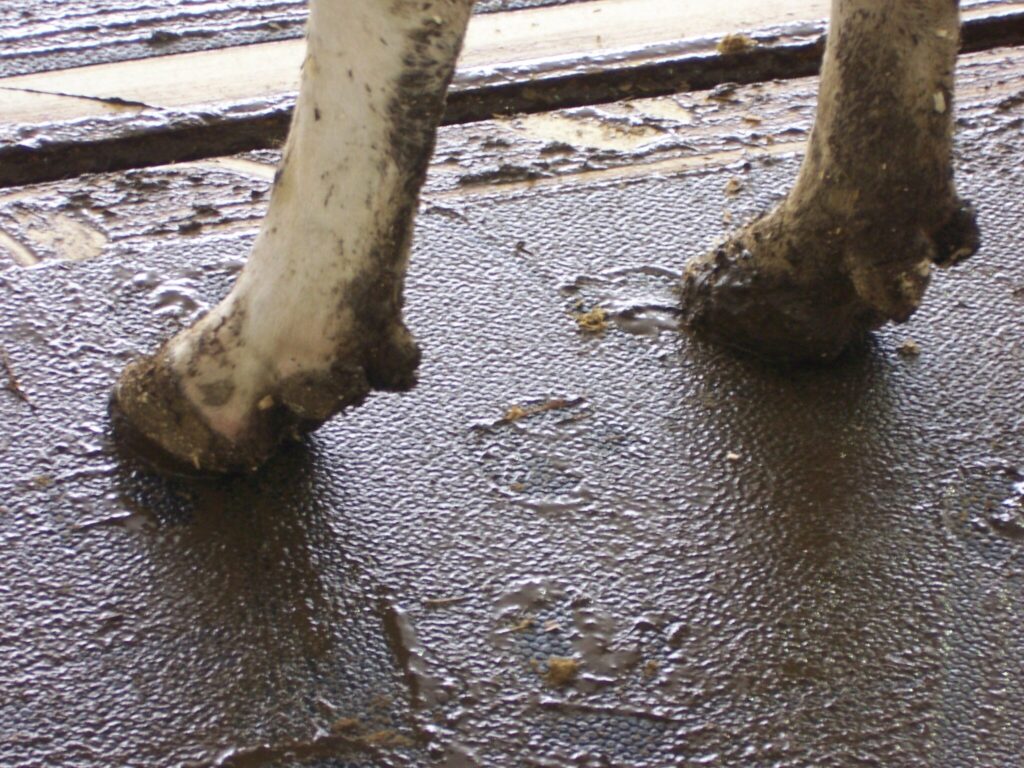
White line lesion is the second most common claw disease affecting dairy cattle, with 5.5 cases per 100 cows per year recorded as the average treatment rate in the UK1.
The average case is thought to cost approximately £193, costing the average farm over £1000 per year per 100 cows². However, in some herds white line can become a major problem with over 30 cases per 100 cows per year costing approximately £5800 per 100 cows per year.
How To Increase the Bottom-Line Through Cow Comfort?
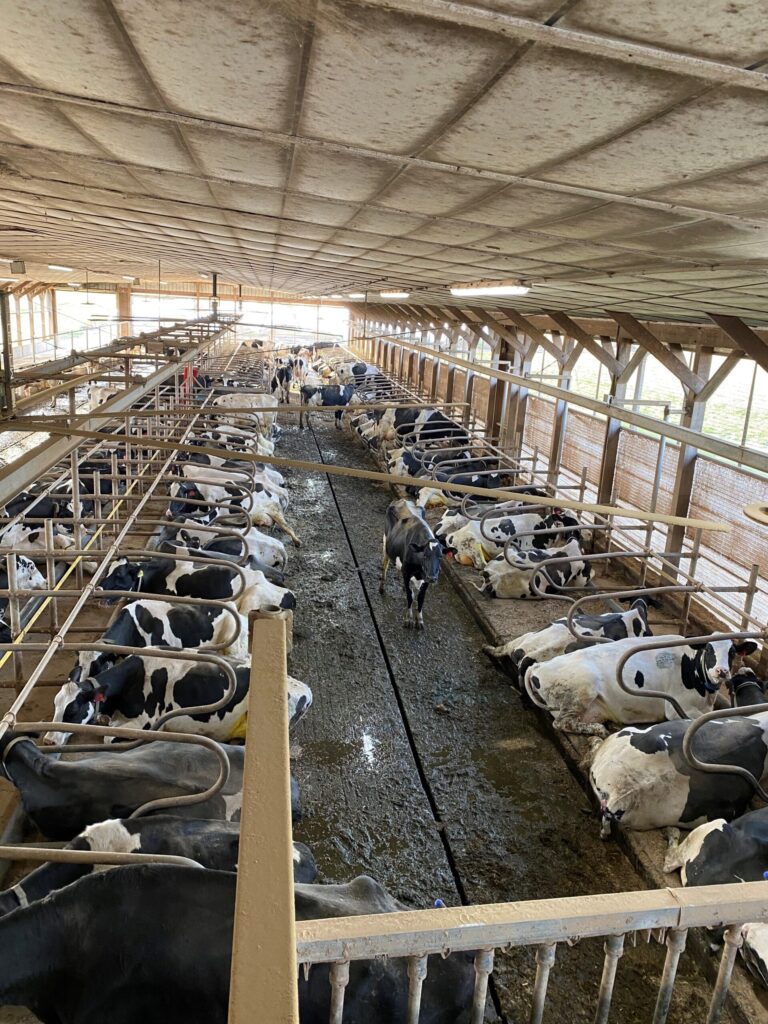
When thinking about the economics of cow comfort, we must address a combination of factors. A series of 2019 Canadian studies showed the impact of comfort on a dairy producer’s wallet. We know that poor cow comfort is a primary driver of lameness and hoof lesions. It goes without saying that there is a substantial economic loss resulting from lameness related to loss of milk production, increased risk of death, of culling, of reproduction issues, treatment cost etc. The more cases of lameness, the more severe they are and the longer they last, then the higher the cost.
Laura Solano, DVM., Ph. D.
Flooring Considerations for Dairy Cows
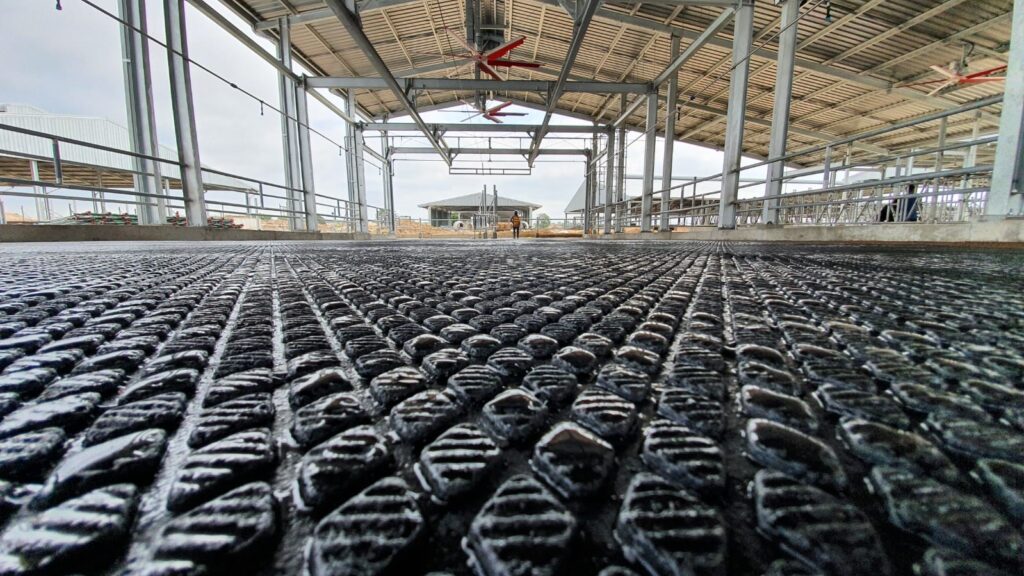
“Modern dairy confinement facilities are housing cows for much if not all of their entire lives. Concrete is the prevalent flooring surface in dairy barns and shelters at this time. Concrete must be properly grooved or patterned to provide confident footing for cows. Ragged grooved edges and rough finished surfaces are abrasive to cows’ hooves and must be avoided. Even a properly finished and grooved concrete surface causes excessive stress on cows’ feet and legs due to its unforgiving nature. Alternative flooring surface options like rubber belting, rubber mats, and constructed in-place rubber floors are more resilient than concrete and seem to offer a degree of relief to the cows. Research is needed to determine the optimum alternative flooring surfaces for cows and how much of it needs to be installed in a barn.
Modern dairy confinement facilities are housing cows for much if not all of their entire lives. Concrete is the prevalent flooring surface in dairy barns and shelters at this time. Concrete must be properly grooved or patterned to provide confident footing for cows. Ragged grooved edges and rough finished surfaces are abrasive to cows’ hooves and must be avoided. Even a properly finished and grooved concrete surface causes excessive stress on cows’ feet and legs due to its unforgiving nature. Alternative flooring surface options like rubber belting, rubber mats, and constructed in-place rubber floors are more resilient than concrete and seem to offer a degree of relief to the cows.”
Curt A. Gooch, P.E.
Senior Extension Associate
Department of Biological and Environmental Engineering
Cornell University
June, 2013
Heifer Freestalls: Size Does Matter
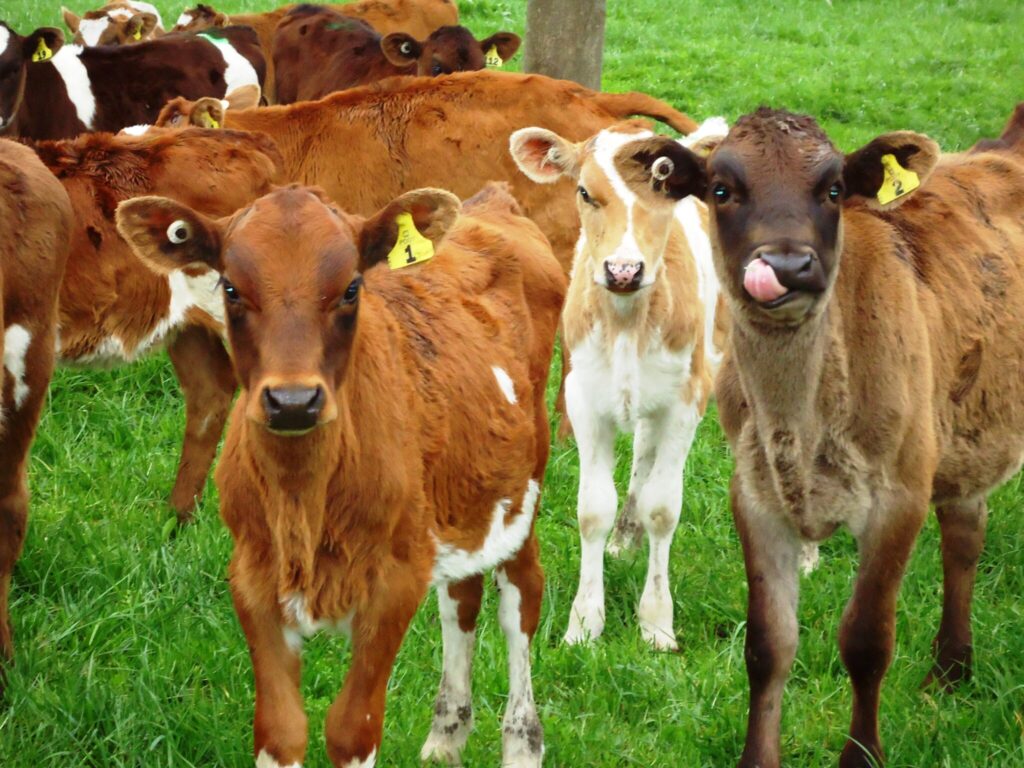
“The stall bed needs to be both comfortable and durable. Resilient mattress and ‘soft’ mats are usually good stall bed choices for growing heifers. Generously bedded stalls are also a good option but generally require more maintenance since heifers tend to ‘paw and dig’ the bedding material. Bedding is still necessary to improve comfort, encourage stall use, and promote cleanliness. However, bedding addition is often more difficult (and sometimes less likely to get done as needed) since heifers continuously occupy the space. Proper planning and gate placement allow the ability to confine heifers away from the stall rows being bedded. Regular removal of manure and soiled bedding from the stall surface is necessary to improve heifer cleanliness.”
Overlaying Slats With Rubber – Is It A Good Option for Beef Cattle?
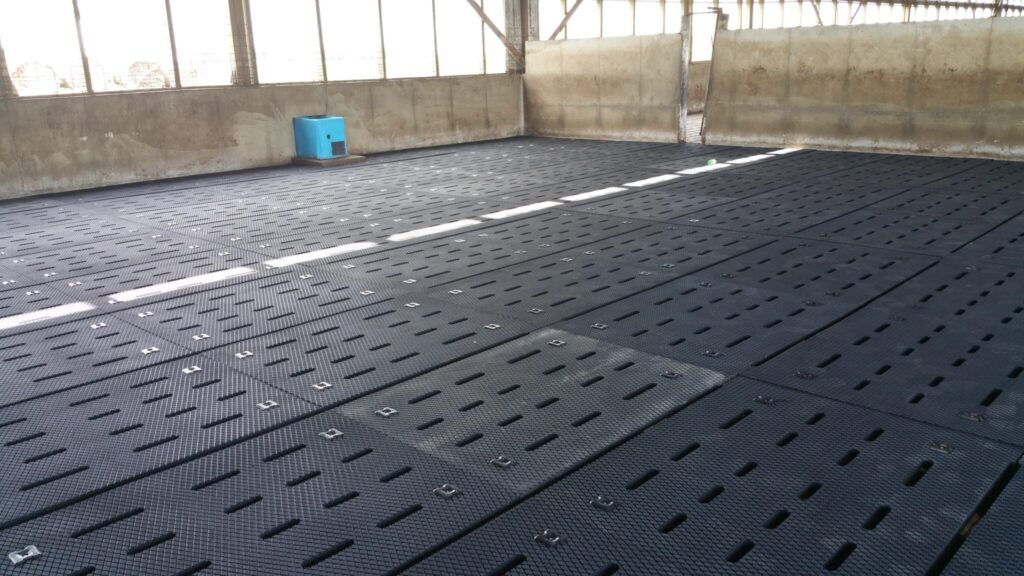
“Results from the recent AFBI project indicated that the effect of floor type on performance is influenced by the diet offered. When bulls were offered ad libitum concentrates, those accommodated on rubber covered slats had a higher concentrate intake than bulls accommodated on concrete slats.”
“Increased daily live weight gain is likely to be found in bulls accommodated on slats overlaid with rubber, making this is an economically viable choice. Additionally rubber floors provided a more comfortable floor, allowing bulls to get up and down more easily; cleaner cattle and less hoof bruising.”
Effect of Softer Flooring in Tie Stalls on Resting Behaviour & Leg Injuries of Lactating Cows
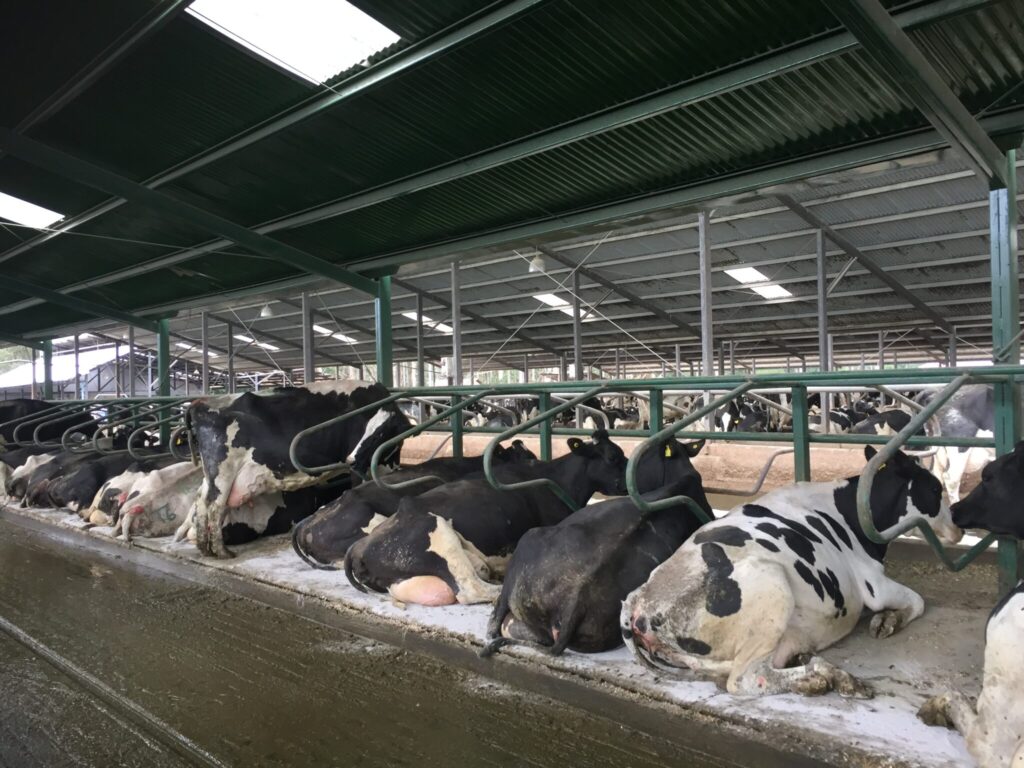
“Our results showed that cows kept in tie stalls with hard concrete floors spend more time per day standing without feeding and tended to spend less time lying. Feeding time was not affected. The reduction in lying time was due primarily to a reduction in the frequency of lying bouts: the mean duration of bouts of both lying and standing were actually higher on the concrete floors than on the rubber floors. Thus, the main effect of the softer flooring was to increase the willingness of the cows to change posture, that is, to lie down and to stand up. Once the cows were lying down or standing, they continued to lie or stand for a shorter period of time on the softer flooring. The current results confirm those of Haley et al. (2001), who found a similar pattern over a shorter period of time. The present results suggest that cattle did not adapt to the harder floors, at least over the first 16 wk of lactation. These results confirm findings for free stalls, in which soft stall floors have been shown to increase lying time and stall acceptability (Tucker et al., 2003; Wagner-Storch et al., 2003; Fulwider and Palmer 2004).”
Cow Comfort Issues in Freestall Barns
“Previous work by Fulwider and Palmer, 2003, indicated that cows lie down as much time in well designed mattress stalls as in sand stalls, but spend more time standing in mattresses based stalls. Cook et al., 2004a found the same to be true (Table 9). Different reasons have been proposed to explain these phenomena. In the fall of 2003 rubber alley mats (RAM) were installed over all alleys in the same pen as stall preference studies had been conducted earlier. Table 11 shows the effect of rubber alley mats on stall use (Fulwider and Palmer, 2003). Stall use was recorded for 31 days before the RAM‟s were installed. A three week acclimation period was given to allow cows to adjust their behavior patterns and then stall activities were recorded and the results compared to the before vales. No change in the amount of stalls with a cow lying in them was found, but the percent of stalls with cows standing in them decreased significantly. This was interpreted as cows preferring to stand on soft surfaces. In other words, cows preferred to strand in soft stalls when hard concrete floors were the alternative.”
Effects of rubber flooring during the first 2 lactations on production, locomotion, hoof health, immune functions, and stress
Housing dairy cows on concrete flooring has been shown to be instrumental in the development of lameness (Vanegas et al., 2006). Studies have shown that cows prefer to stand and walk on soft flooring such as soft, textured rubber compared with concrete (Telezhenko et al., 2009) and will stand in bedded cubicles to obtain relief from concrete passageways (Boyle et al., 2007). Therefore, rubber flooring in alleys is another suggested housing change to increase cow comfort and reduce the incidence of lameness.
© American Dairy Science Association®, 2013